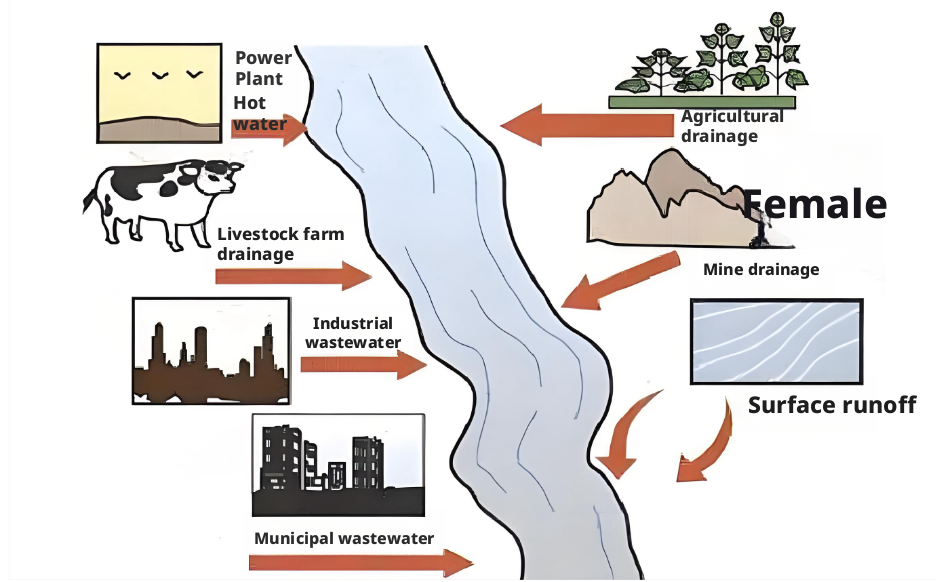
Wastewater treatment is essential for purifying water from households, industries, and commercial activities. Its main goal is to remove harmful contaminants and ensure the water is safe for reuse or environmental discharge.
Why wastewater treatment matters:
Protects public health: Removes pathogens, toxic chemicals, and heavy metals that can cause serious diseases such as cholera and hepatitis A.
Protects the environment: Prevents untreated wastewater from polluting rivers, lakes, and ecosystems, safeguarding aquatic life and biodiversity.
Supports water reuse: Treated water can be reused for irrigation, industry, and even drinking (with advanced treatment), helping address water scarcity.
Provides economic benefits: Reduces freshwater costs, minimizes environmental penalties, and creates jobs in the treatment sector.
Ensures regulatory compliance: Meeting required discharge standards avoids fines, legal risks, and reputation damage.
Effective wastewater treatment is vital for public health, environmental protection, and sustainable development.

Industries That Use Wastewater Treatment Equipment
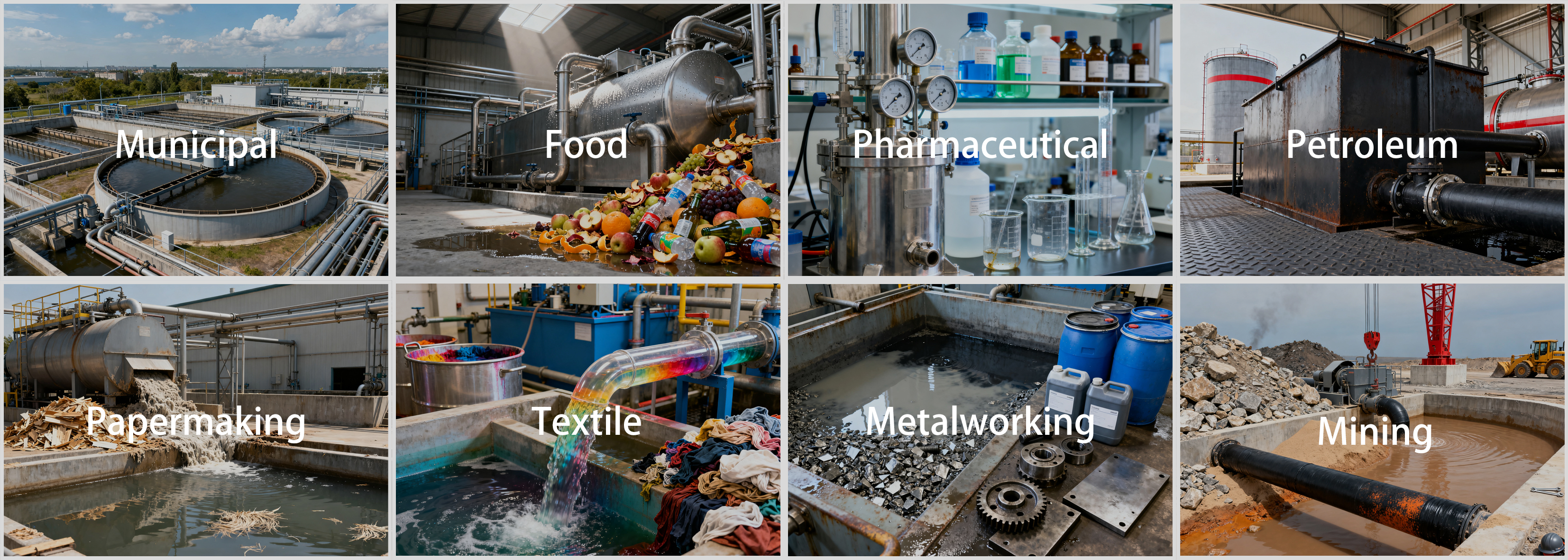
Wastewater treatment systems are widely used to remove pollutants and ensure safe discharge or reuse. Key industries include:
Municipal – Treats household and commercial sewage.
Food & Beverage – Removes organic waste, oils, and processing chemicals.
Pharmaceutical – Handles wastewater containing chemicals and active ingredients.
Petroleum – Treats oily water and chemical-laden wastewater from oil & gas operations.
Pulp & Paper – Reduces organic loads and process chemicals.
Textile – Treats dye- and chemical-rich wastewater.
Metalworking – Filters oils, coolants, and metal particles.
Mining – Removes heavy metals, sediments, and acid mine drainage from wastewater.

Wastewater treatment is essential for purifying water from households, industries, and commercial activities. Its main goal is to remove harmful contaminants and ensure the water is safe for reuse or environmental discharge.
Why wastewater treatment matters:
Protects public health: Removes pathogens, toxic chemicals, and heavy metals that can cause serious diseases such as cholera and hepatitis A.
Protects the environment: Prevents untreated wastewater from polluting rivers, lakes, and ecosystems, safeguarding aquatic life and biodiversity.
Supports water reuse: Treated water can be reused for irrigation, industry, and even drinking (with advanced treatment), helping address water scarcity.
Provides economic benefits: Reduces freshwater costs, minimizes environmental penalties, and creates jobs in the treatment sector.
Ensures regulatory compliance: Meeting required discharge standards avoids fines, legal risks, and reputation damage.
Effective wastewater treatment is vital for public health, environmental protection, and sustainable development.

Industries That Use Wastewater Treatment Equipment
Wastewater treatment systems are widely used to remove pollutants and ensure safe discharge or reuse. Key industries include:
Municipal – Treats household and commercial sewage.
Food & Beverage – Removes organic waste, oils, and processing chemicals.
Pharmaceutical – Handles wastewater containing chemicals and active ingredients.
Petroleum – Treats oily water and chemical-laden wastewater from oil & gas operations.
Pulp & Paper – Reduces organic loads and process chemicals.
Textile – Treats dye- and chemical-rich wastewater.
Metalworking – Filters oils, coolants, and metal particles.
Mining – Removes heavy metals, sediments, and acid mine drainage from wastewater.